
How to Balance Pool Water After a Heavy Pool Party
After a heavy pool party, balancing your pool water is essential to restore chlorine levels, adjust pH and alkalinity, and ensure safe swimming. Follow these steps for a quick recovery.
After a heavy pool party, balancing your pool water is essential to restore chlorine levels, adjust pH and alkalinity, and ensure safe swimming. Follow these steps for a quick recovery.

Loud noises from your pool pump usually mean something’s wrong. Here’s how to pinpoint the issue and quiet your system before it causes damage.

Algae thrives in unbalanced water. Here's how to keep your pool chemistry in check and protect your pool from cloudy, green invaders.

Looking for the best pool vacuum for your above-ground pool? Here’s a breakdown of the top choices by category and what makes them stand out.

After a pool party, water chemistry can shift fast. Here’s how to test and balance your pool to avoid cloudy water, algae, or irritation.
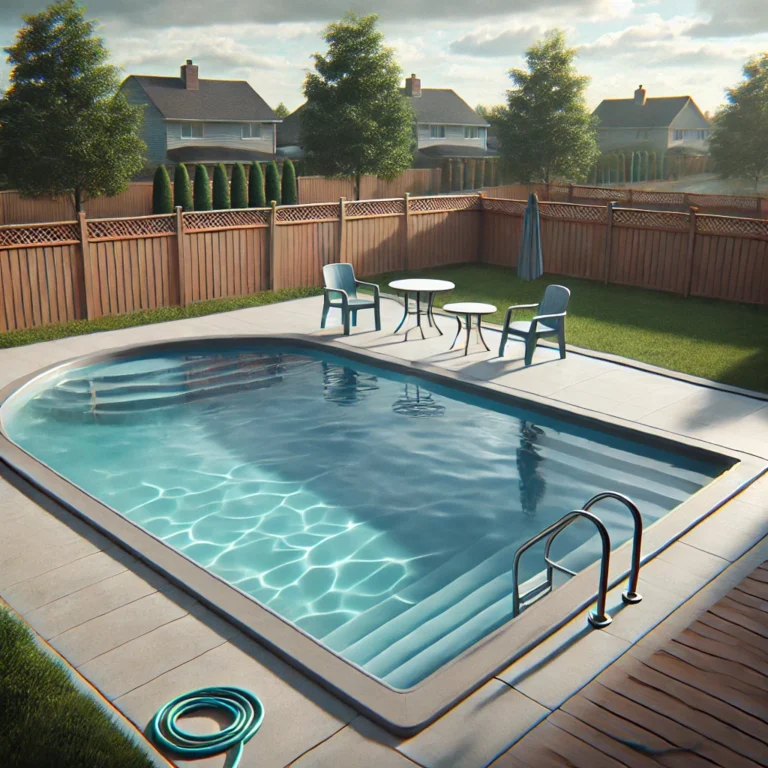
Old or inefficient pool equipment costs more to run and takes more effort to maintain. Whether it’s a noisy pump, a sluggish heater, or a filter that clogs too often, outdated gear drains your energy and budget. Benefits of Upgrading…

Corrosive pool water can damage your pool surfaces and equipment fast. Learn how to prevent it with proper testing, balancing, and maintenance.

Poor circulation is one of the top reasons algae takes over pools. Here's how to keep water moving so algae doesn’t stand a chance.

Testing for metals and minerals keeps your pool safe, clean, and stain-free. Here's how to do it right, what tools to use, and what to do with the results.

Pool water might look clear, but hidden imbalances can pose health risks. Here’s why testing regularly is the foundation of safe, healthy pool care.